
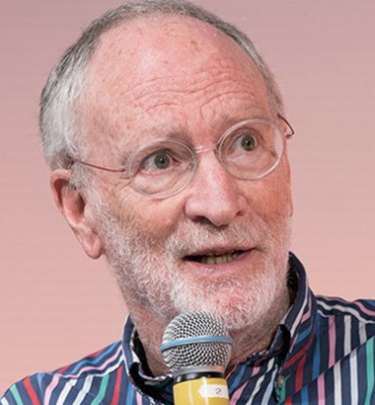
Alliance Manchester Business School, The University of Manchester, Manchester, United KingdomOccupational Health Psychology; Workplace Well-Being; Occupational Stress; Organizational Psychology; Employee Health and Well-Being; Work–Life Balance; Workplace Mental Health; Stress Management; Organizational Behavior; Leadership and Organizational Effectiveness


Department of Management, Griffith Business School, Griffith University, Brisbane, AustraliaWork–Life Interface; Work–Life Balance; Flexible and Remote Working; Employee Well-Being; Employee Psychological Health; Occupational Stress and Burnout; Self-Efficacy; Work–Life Boundary Management; Leader–Subordinate Interactions; Organizational Behavior
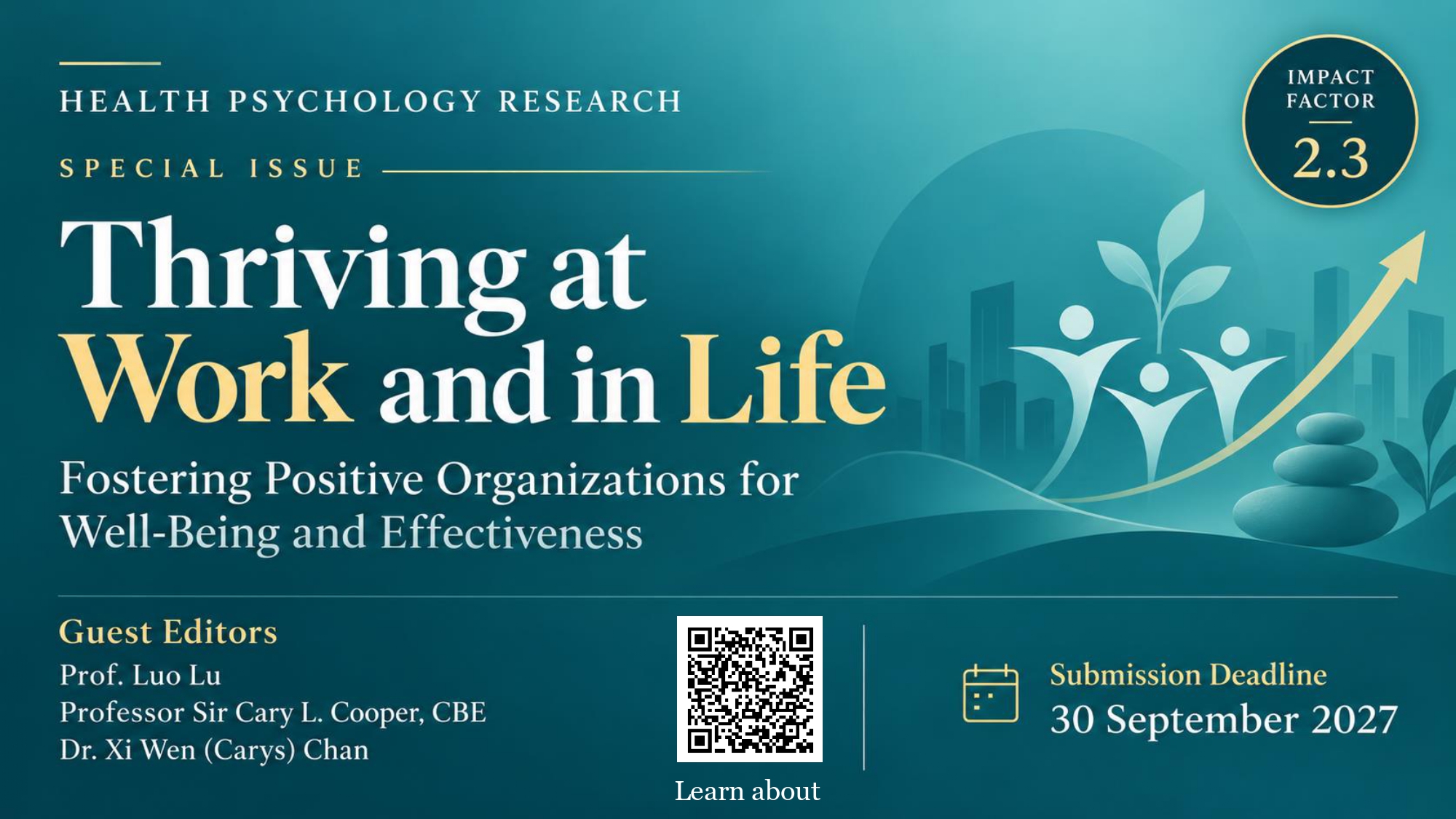
This Special Issue aims to advance understanding of how rigorous psychological science can promote and foster research and practice in workplace well-being and organizational effectiveness in the post-pandemic era, amid great challenges and opportunities. While research on well-being at work has grown exponentially in recent decades, many contemporary issues are emerging, much of which is a result of the 2020 pandemic and the mainstreaming of workplace well-being. We now see issues of remote and hybrid working, technostress and the right to disconnect, the growth of mental health peer support, the role of the line manager in team building and culture change, and the need to assess and evaluate well-being interventions. The fundamental shift towards boundarylessness of work underlines much of the ongoing reconfiguration of the work scene, broadly termed the “new ways of working”, pivoting on individuals deciding when and where to work, as well as how to work. On the flip side, the blurring of work-nonwork demarcation poses challenges for employee well-being in the omnipresence of work, as well as for organizations to redesign managerial practices. Central to all the challenges is the mission to foster a positive work environment to promote individual well-being at work and in life (off-work), while ensuring organizational effectiveness in an increasingly fiercely competitive business world.
With this mission for championing thriving at work and in life, the Special Issue will generate new theoretical insights, practical implications, and future research directions that position human-centered psychological scholarship to respond more effectively to the challenges and possibilities brought about by the “new ways of working”, while helping organizations foster more equitable, inclusive, and wellness-centered designs and arrangements in work and life. By bridging the fields of health psychology, coping and adaptation, health and wellness, organizational behavior, and positive and inclusive workplaces, this Special Issue helps position psychological scholarship at the forefront of debates on balancing employee well-being and sustainable organizational competitiveness.
This Special Issue offers an original contribution by bringing health and well-being and organizational effectiveness into one integrated conversation, rather than treating them as separate streams. Its novelty lies in advancing understanding of how psychological science can reshape workplace design to foster a fairer, more ethical, and more human-centered environment for work and living, while enhancing organizational competitiveness. Topics are welcome on the list below and beyond.
Topics (examples):
Models of well-being (at work and general)
Personal qualities contributing to well-being
Organizational factors contributing to well-being
Workplace support for well-being
Essential elements of organizational initiatives to improve workplace well-being
Technostress, AI and AI-human collaboration
Remote, hybrid working and well-being
Always-on and the right to disconnect
diversity, equality, inclusion (EDI) and well-being
occupational stress, health and well-being
wellness and thriving
positive work environment
Work and nonwork balance